RFP Software for Consulting Firms
Consulting practices lose billable hours every week copy-pasting past performance narratives, reformatting consultant CVs to match rigid procurement templates, and manually checking 100-page Request for Proposal (RFP) packages for hidden commercial dealbreakers. When a strategy, IT consulting, or engineering firm responds to complex tenders, proposal teams must balance rigorous compliance against aggressive submission deadlines without pulling senior partners away from client delivery.
RFP software for consulting firms is an enterprise application designed to automate the extraction of tender requirements, structure technical proposals, manage consultant CVs and project case studies, and draft grounded responses. It streamlines bid management by verifying mandatory criteria, mapping past performance evidence, and facilitating partner collaboration while maintaining strict compliance across complex procurement submission portals.
The operational reality of consulting bid management
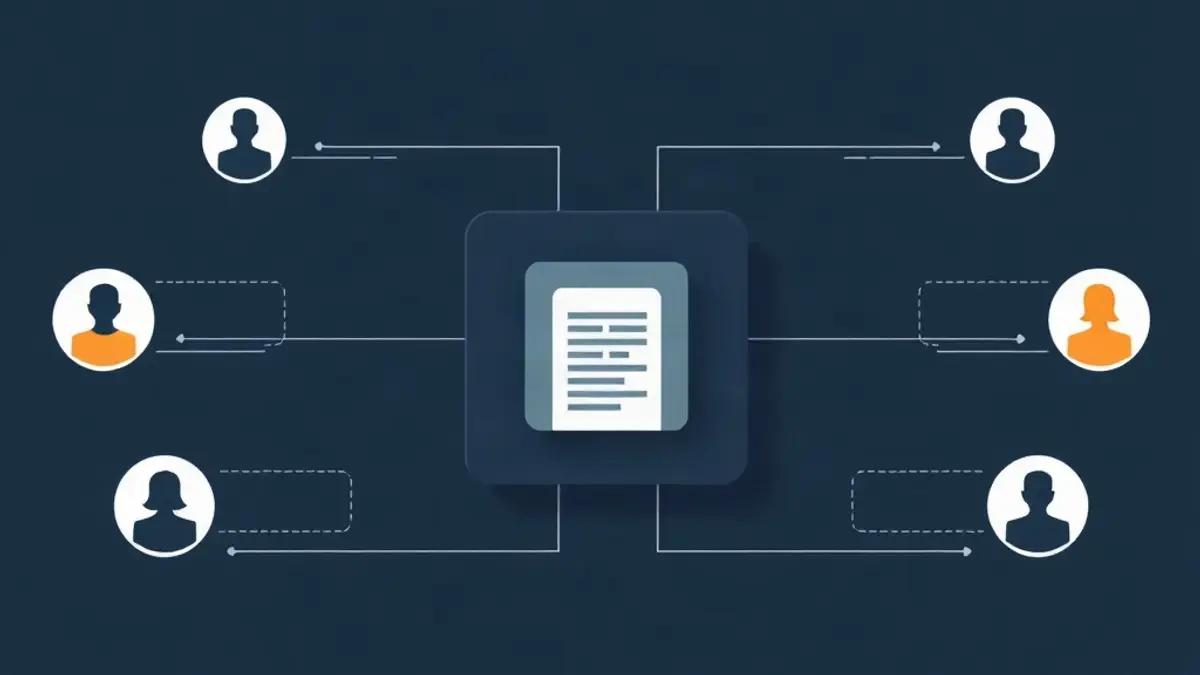
Consulting firms operate under a distinct proposal model compared to software-as-a-service or manufacturing vendors. Every response requires tailor-made delivery methodologies, named key personnel with tailored CVs, precise references matching specific industry verticals, and commercial structures that accommodate complex billing rates. Because knowledge is distributed across practice groups, practice leads, and client partners, the bidding process frequently degenerates into frantic email threads, conflicting document versions, and rushed final reviews.
When bid management relies on manual processes, senior billable staff waste valuable hours sourcing past deliverables, formatting bios, and verifying company details. Meanwhile, bid managers carry the burden of ensuring absolute alignment with procurement requirements. A single missed mandatory requirement—such as an unattached professional indemnity certificate or an unaddressed sub-clause—can cause an immediate administrative disqualification regardless of the technical merit of the proposal. Implementing dedicated tender operating systems like TenderOS brings systematic structure, repeatability, and risk mitigation to professional services procurement.
Mandatory requirement extraction and risk scoring
The primary cause of tender disqualification in professional services is human error during the initial RFP review. Procurement documents issued by government bodies, utilities, and financial institutions regularly run into hundreds of pages across multiple PDF and Word attachments. Crucial compliance conditions are often buried in commercial annexes or general conditions of contract.
Manual parsing requires a proposal manager to read every line, manually highlight deliverables, and build a matrix in a spreadsheet. This task consumes days and introduces substantial operational risk. Missing a requirement for a specific local tax clearance, a minimum number of years of partner experience, or a strict limitation on sub-consultant liability can invalidate a submission after hundreds of hours of team work.
Modern tender response software automates initial document parsing through natural language processing. By uploading the procurement documents into a parsing engine, bid teams receive an immediate inventory of every explicit requirement. The software extracts mandatory obligations containing strict conditional verbs like “shall”, “must”, and “required”, isolating them from discretionary guidelines that use terms like “may” or “should”.
Beyond identifying raw statements, structured extraction organizes requested documents, tax forms, financial statements, client references, and team credentials into an actionable matrix. High-attention commercial clauses—such as unlimited liability provisions, aggressive payment milestones, or stringent intellectual property transfers—are flagged immediately for legal and finance leadership review before substantial resources are committed to response drafting.
To run a rapid health check on an incoming RFP package without installing software or creating an account, bid managers can utilize the free tender analyzer. This browser-based utility evaluates RFP text instantly, detailing key statements, required attachments, and commercial flags without transmitting sensitive procurement files to external servers.
Structuring the consulting technical proposal
A successful technical response must strictly match the structure mandated by the client’s procurement team. Evaluators evaluate bids against structured scoring rubrics; if an evaluator cannot easily locate a specific methodology, governance structure, or risk management framework because the bidder altered the section order, the proposal loses points.
To build a compliant response framework, bid leads must map every client question and instructions to an explicit section within the proposal body. For a comprehensive walkthrough on arranging methodology sections, work breakdown structures, and resource allocation models, review our dedicated guide on drafting and structuring technical proposals.
Consulting RFPs typically require responses to adhere to a multi-tiered hierarchy:
- Executive Summary and Understanding of Requirements
- Technical Approach and Delivery Methodology
- Project Governance, Quality Assurance, and Risk Management
- Key Personnel Capabilities and Staffing Plan
- Firm Experience, Past Performance, and Case Studies
- Commercial Proposal and Rate Structure
Proposal software automates this structural layout by auto-generating complete document skeletons directly from the extracted RFP requirements. Rather than starting with a blank page, subject matter experts are provided with pre-structured sections containing exact client wording, prescribed page limits, and explicit response instructions embedded directly within the drafting workspace.
Maintaining verified firm graphics, CVs, and project evidence
Consulting responses live and die by verified evidence. Evaluators reject generic marketing material, preferring verifiable metrics, documented project outcomes, and fully compliant expert CVs. However, maintaining an accurate repository of staff credentials and past project summaries remains a major challenge for growing firms.
Consultant profiles age quickly as practitioners complete engagements, earn new industry certifications, and shift practice focus. Similarly, case study databases frequently suffer from missing outcome metrics, outdated client contact details for reference checks, or unapproved narrative edits. When proposal teams pull stored content from old pitch decks, they risk submitting conflicting or inaccurate credentials.
Centralized evidence management resolves this chaos by establishing a single source of verified company information. Enterprise tender platforms feature dedicated data structures—a central repository for approved company knowledge, regulatory certificates, client case studies, CVs, and corporate policies. Every element carries metadata regarding owner approval, document expiration dates, and industry classifications.
To establish a scalable structure for maintaining reusable content and verified company facts, consult our guide on organizing an enterprise RFP response library.
When drafting responses, the bid team pulls exclusively from these verified records. If an RFP requires a project manager with ten years of experience in SAP implementations within the public sector, the system queries the knowledge base to surface certified team members whose indexed CVs match those precise parameters, eliminating manual searching through shared drives.
Grounded AI drafting vs hallucination risks
The adoption of artificial intelligence in proposal writing introduces both significant efficiency gains and distinct compliance risks. Generic consumer large language models (LLMs) operate on probabilistic text generation. When asked to draft a consulting proposal section, a generic model often invents plausible-sounding case studies, fabricates client names, exaggerates firm headcount, or asserts possession of non-existent ISO certifications.
In formal procurement, an invented fact or inaccurate claim is ground for contract termination, legal liability, or formal blacklisting from future tenders. Proposal teams cannot rely on ungrounded AI text generation that prioritizes fluency over factual correctness.
Professional consulting tender software solves this by implementing strict grounded AI drafting. Grounded generation enforces a firm operational boundary: the AI model can only draft text using facts explicitly present in the firm’s verified knowledge repository. The platform operates on a philosophy of evidence before eloquence.
When generating a methodology section or answering a security questionnaire, the system retrieves exact matching passages from approved company documents and constructs the draft using those verified details. Every generated paragraph includes inline source citations referencing the specific policy, case study, or CV used.
Where required evidence is missing from the firm’s repository—such as a specific local environmental certification or a niche technology capability—the software refuses to fabricate an answer. Instead, it places an explicit missing-evidence marker within the draft text, alerting the bid manager that a human expert must supply the missing documentation.
To examine how automated systems link past deliverables directly to formal RFP requirements while preventing hallucinations, read our analysis of rigorous evidence matching for tender responses.
Managing public sector vs private enterprise tenders
Consulting practices frequently divide their business development between public sector procurement and private enterprise requests. While both require rigorous management, their regulatory frameworks and evaluation mechanics differ substantially.
Public sector tenders operate under strict legal frameworks designed to guarantee transparency, equal treatment, and non-discrimination. Evaluators must strictly follow pre-published scoring grids, and administrative deviations result in mandatory rejection. For instance, international public procurements governed by the World Bank procurement framework for consulting services place heavy emphasis on formal qualification criteria, transparent scoring methodology, standardized consultant selection methods, and rigid conflict of interest declarations.
Private enterprise RFPs, by contrast, allow for greater flexibility in commercial negotiations and solution design, but often introduce aggressive commercial terms, detailed information security audits, and complex data privacy covenants. Corporate procurement departments increasingly use automated vendor risk portals that require exhaustive documentation on software supply chain security, SOC 2 compliance, and disaster recovery strategies.
Bid management software must accommodate both bidding environments:
Proposal systems provide customized workflows for each tender type. For public sector bids, the platform prioritizes absolute compliance tracking, sub-consultant commitment tracking, and strict adherence to submission templates. For private sector bids, it provides rapid turnaround on security questionnaires, customized rate card builders, and executive summary customization.
Multi-partner consortia and sub-consultant management
Large-scale consulting bids—particularly in infrastructure, digital transformation, and international development—often require a lead consultancy to assemble a consortium or partner network. Bringing together sub-consultants, niche boutique firms, and individual subject matter experts introduces substantial coordination complexity.
The lead partner’s bid team must collect, verify, and format documentation from multiple external organizations while maintaining consistent narrative quality and strict document security. Standard email communication often leads to lost files, unformatted CVs, and outdated partner company profiles.
Dedicated bid management platforms streamline joint responses through granular role-based permissions and isolated collaboration workspaces. Proposal managers can invite external consortium partners into designated sections of a workspace without exposing the broader firm knowledge base or sensitive commercial rate structures.
Sub-consultants can upload their key personnel CVs, corporate registration records, and past project references directly into pre-formatted input templates. The platform validates these inputs against the tender’s mandatory requirements—verifying, for instance, that proposed sub-consultant personnel possess the required years of regional experience—before the lead firm integrates them into the master submission package.
Clarification management and addenda tracking
During a multi-week RFP process, issuing authorities frequently release formal clarifications, answers to vendor questions, and official document addenda. These updates often alter technical specifications, shift submission deadlines, or modify contract terms midway through proposal drafting.
Failing to incorporate an addendum into a response is a frequent cause of technical disqualification. If an issuing authority releases “Addendum 03” changing a project start date or removing a scope item, submitting a bid based on “Addendum 02” demonstrates non-compliance.
Managing addenda manually requires bid managers to compare incoming PDF documents against previous releases line by line to identify added, deleted, or modified text.
Advanced proposal software simplifies this process by integrating automated change detection. When an updated tender document is uploaded into an existing workspace, the platform executes a semantic comparison between the old and new versions.
The software highlights exact wording changes, isolates modified clauses, and flags every draft section in the existing workspace affected by the update. Bid leads receive clear notifications detailing which technical responses require revision, ensuring the team addresses every changed requirement prior to final submission.
Feature comparison for professional services bid systems
Selecting the right RFP software requires evaluating technical capabilities against the operational needs of consulting practices. The table below compares essential capability areas across standard bid management approaches.
| Capability Area | Manual Spreadsheets & Drives | Generic Writing Assistants | Enterprise Tender Operating System |
|---|---|---|---|
| Requirement Extraction | Manual line-by-line reading; high error risk | Non-existent; requires manual prompting | Automated text parsing; mandatory statement isolation |
| Data Privacy & Security | Dependent on local storage policies | Public models may retain proprietary data | Local browser processing; zero data retention models |
| Evidence Matching | Manual search across legacy folders | Invented case studies and hallucinated stats | Grounded retrieval with explicit source citations |
| Addendum Delta Tracking | Visual comparison across multiple PDFs | Not supported | Automated semantic text comparison and alerts |
| Compliance Matrix Generation | Manual matrix built in Excel | Manual table generation via prompts | Real-time mandatory requirement tracking |
| Export Options | Unformatted copy-paste into Word | Plain text output | Formatted DOCX, XLSX, and structured PDF export |
Modern proposal platforms replace fragmented workflows with unified workspaces designed specifically for high-stakes procurement.
Typical tender evaluation criteria and weighting structures
Understanding how clients evaluate professional services proposals allows bid managers to allocate drafting effort efficiently. Evaluation committees use structured scoring rubrics that divide points between technical approach, team capability, firm experience, and commercial pricing.
The table below illustrates a typical evaluation framework for a complex consulting engagement.
The weightings shown below represent a hypothetical evaluation model for an enterprise advisory engagement.
| Evaluation Category | Typical Focus Areas | Sample Weighting | Key Documentation Required |
|---|---|---|---|
| Technical Methodology | Understanding of scope, risk mitigation, work breakdown structure, governance model | 35% | Methodology narrative, Gantt chart, deliverables matrix, quality assurance plan |
| Key Personnel Capabilities | Lead partner experience, team qualifications, language skills, availability guarantees | 25% | Standardized CVs, professional certifications, key personnel availability letters |
| Firm Experience & Track Record | Relevant industry case studies, client reference details, regional presence | 20% | Verified case studies, signed reference contact forms, corporate credentials |
| Commercial Proposal | Blended daily rates, total fixed fee, milestone schedules, payment terms | 20% | Standardized commercial rate cards, milestone breakdown schedules, tax compliance |
By structuring responses to mirror the client’s weighted scoring criteria, proposal teams ensure evaluators can easily find the evidence needed to award maximum points in every section.
Step-by-step workflow for responding to consulting RFPs
To maintain submission quality while managing tight deadlines, bid teams should execute a structured response process. Following a standardized workflow prevents missed requirements and ensures senior partner review occurs at the optimal stage.
- Ingestion and Requirement Extraction: Load all tender documents—including technical specifications, commercial terms, and general conditions—into an automated parsing engine. Run a complete text analysis to identify mandatory criteria, requested administrative documents, key submission dates, and high-risk commercial provisions.
- Go/No-Go Decision and Governance Gate: Present the extracted mandatory compliance matrix and commercial risk flags to practice leaders. Evaluate firm capacity, potential conflicts of interest, key personnel availability, and resource availability before formally committing to respond.
- Workspace Setup and Compliance Matrix Generation: Create a centralized bid workspace. Auto-generate the technical compliance matrix and populate the proposal template structure using exact client heading structures and section numbering. Assign specific sections to practice subject matter experts with explicit page limits and completion deadlines.
- Evidence Retrieval and Grounded Drafting: Query the central company knowledge repository to source approved methodology templates, verified firm case studies, and updated consultant CVs. Utilize grounded AI drafting tools to generate initial section drafts backed by cited source documents, using explicit place-markers where factual gaps exist.
- Addenda Processing and Content Refinement: Monitor the issuing authority portal for clarification responses and document addenda. Process updated files through semantic change detection tools, adjusting section assignments and content drafts to reflect modified client requirements.
- Final Compliance Audit, Partner Sign-off, and Export: Conduct a complete compliance audit against the mandatory requirement matrix. Ensure every “shall” and “must” statement is explicitly addressed. Submit the finalized proposal package for senior partner sign-off before exporting the formatted documents into mandated DOCX, XLSX, or PDF formats for portal upload.
Adhering to this structured sequence keeps bid teams focused, reduces non-billable drafting cycles, and ensures every submission meets client expectations.
Governance, compliance matrix, and sign-off workflows
Maintaining governance across multiple active proposals requires visibility into draft status, outstanding compliance items, and required sign-offs. In standard consulting workflows, bid sign-offs often happen at the last minute over chat messages or informal emails, creating legal and delivery risks.
Dedicated proposal operating systems enforce formal governance through automated approval chains and dynamic compliance matrices. Key controls include:
- Role-Based Access Controls: Restrict editing rights across specific proposal sections, ensuring commercial rate cards and partner commitments are modified only by authorized financial leads.
- Real-time Compliance Audit Trail: Maintain a live status dashboard tracking whether every mandatory requirement extracted from the RFP has been addressed, reviewed, and signed off by a lead author.
- Grounded Citation Verification: Provide reviewers with direct links from generated draft text back to the underlying source document in the company repository, verifying every metric and claim.
- Automated Version Control: Prevent unauthorized overwriting of approved sections during concurrent multi-user editing rounds across practice teams.
- Pre-submission Gatekeeping: Block final document export until all missing-evidence markers are resolved and required partner sign-offs are logged in the system audit trail.
Implementing structured governance protects consulting practices against scope creep, unapproved billing rate discounts, and inaccurate delivery commitments.
Frequently asked questions
How does browser-based tender analysis protect confidential consulting data?
Browser-based tender analysis processes documents directly within the user’s local web browser memory using client-side execution models. The document text is evaluated locally on your computer, meaning sensitive procurement packages, proprietary pricing models, and confidential client specifications are never uploaded to or stored on external application servers.
Can RFP software handle custom CV formats for individual team members?
Yes, modern tender platforms extract key career achievements, project histories, and industry certifications from stored employee profiles and map them directly into mandatory client CV templates. This ensures that consultant resumes match requested page counts, font layouts, and structural headings without manual reformatting.
What happens when an RFP requests evidence or a case study the firm does not possess?
Grounded AI proposal engines strictly enforce an “evidence before eloquence” model that refuses to fabricate non-existent capabilities or fake case studies. When an RFP asks for evidence missing from your knowledge base, the software flags the gap, inserts an explicit missing-evidence marker, and alerts the bid manager to source the required information from human experts.
How does TenderOS track changes when an issuing authority releases an RFP addendum?
When an addendum or revised procurement package is uploaded to the platform, semantic change detection software compares the updated text against the original solicitation documents. The platform highlights added, removed, or modified requirements and automatically flags all drafted proposal sections affected by the changes for author review.
Does TenderOS automatically submit proposal responses to procurement portals?
No, TenderOS does not auto-submit responses or interact directly with third-party procurement portals. The software serves as an internal operating system for parsing requirements, managing firm knowledge, drafting grounded responses, and exporting verified DOCX, XLSX, or PDF files that your bid team uploads to the client’s portal.
How does grounded AI drafting differ from general-purpose writing assistants?
General-purpose writing assistants rely on generic probabilistic models that often invent facts, fabricate past projects, or exaggerate corporate credentials when responding to prompts. Grounded AI drafting restricts generation strictly to verified content pulled directly from your firm’s approved knowledge repository, citing exact source files for every claim made.
Next steps: Test your tender document
Managing bids effectively requires moving away from manual spreadsheets and unstructured file shares toward specialized response workflows. Modern software lets consulting firms maintain technical alignment, leverage verified practice evidence, and protect billable time.
To evaluate your current RFP package without creating an account or uploading sensitive documents, run your file through our free client-side tender analyzer. The tool parses RFP text locally in your browser, generating an immediate tally of requirement statements, extracting requested attachments, and flagging high-attention commercial clauses.
When your firm is ready to establish a centralized proposal operating system, TenderOS offers flexible subscription options tailored to your bid volume:
- Starter ($299/month): Ideal for boutique practices needing core parsing, basic evidence storage, and grounded response drafting.
- Business ($799/month): Designed for growing firms requiring comprehensive compliance tracking, full company knowledge base indexing, and collaborative workspace tools.
- Pro ($1,499/month): Built for high-volume practices needing advanced addenda tracking, sub-consultant permissioning, and custom governance sign-offs.
- Enterprise (Annual Contract): Custom deployments tailored for international consulting organizations requiring multi-tenant configurations, dedicated onboarding, and enterprise SLA commitments.
Explore our complete feature breakdown and transparent plan options by visiting the [/pricing/] page.